The Real Truth: Real or Fake Headphones 5 Models Compared?
Category: Electronics
Introduction
Headphones are one of the most commonly counterfeited consumer electronics items. As demand grows for premium sound, noise cancellation, and convenience, so does the market for cheaper imitations that promise big brand performance at a fraction of the price. This article compares five popular headphone models—each known to have legitimate, high-quality originals and frequent fake counterparts—to show buyers how real and fake versions differ in performance, construction, and day-to-day usability. The goal is to provide actionable, objective information so consumers can spot fakes, evaluate trade-offs, and make confident purchasing decisions for real-world use cases such as commuting, remote work, travel, and fitness.
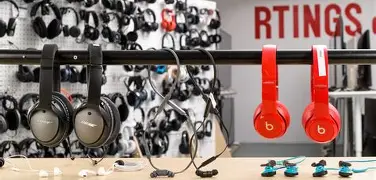
Methodology and What Matters to Buyers
This comparison focuses on the attributes buyers typically care about: sound quality (clarity, bass balance, staging), active noise cancellation (ANC) effectiveness, battery life, connectivity and codec support, microphone and call performance, physical build and durability, fit and comfort, software/app features, and after-sales support (warranty, firmware updates). Authenticity checks—serial numbers, firmware update availability, packaging details, and pairing behavior—are also included because they often reveal whether a product is genuine.
Models Compared
The five models examined are widely recognized and frequently counterfeited. For each model the article outlines how authentic versions perform and what to watch for in fakes.
- Apple AirPods Pro (True Wireless)
- Sony WH-1000XM4 (Over-Ear)
- Bose QuietComfort 45 (Over-Ear)
- Samsung Galaxy Buds Pro (True Wireless)
- Beats Studio Buds (True Wireless)
Detailed Product Analysis
1. Apple AirPods Pro
Real: The authentic AirPods Pro emphasize a neutral, balanced sound with clear mids and controlled bass, excellent adaptive ANC for mid- to high-frequency noise, and seamless pairing and switching within the Apple ecosystem. Features like spatial audio, pressure-relieving vents, and genuine firmware updates are reliable and deliver a consistent experience. Real units also support hands-free "Hey Siri" and show correct battery/stats on iOS devices.
Fake: Counterfeit AirPods Pro often mimic form factor but fall short in several areas. The ANC, if present, is usually weak or simulated (artificial noise reduction via EQ rather than true feedforward/feedback cancellation). Pairing with iOS may appear “normal” at first, but features like spatial audio, firmware updates, and accurate battery readouts are typically missing or unreliable. Fit and finish—seam alignment, charging case hinge feel, and weight—frequently differ.
Pros (Real):
- Excellent ANC for in-ear design
- Seamless Apple ecosystem integration
- Good call quality and transparency mode
Cons (Real):

- Premium price
- Replacement parts and service costs
Pros (Fake):
- Lower price
- Visually similar at a glance
Cons (Fake):
- Poor ANC, sound and mic performance
- No firmware support or accurate system integration
2. Sony WH-1000XM4
Real: Sony’s WH-1000XM4 over-ear headphones deliver class-leading ANC with strong low-frequency suppression, rich and tunable sound via the Sony Headphones Connect app, multi-device pairing, and excellent battery life (~30 hours). The physical controls, soft memory-foam earpads, and robust build quality are consistent indicators of authenticity.
Fake: Imitations may copy the look—headband shape, cup design—but fall short in ANC hardware and software optimization. The Headphones Connect app will not recognize counterfeit units, or if it does, key features (adaptive sound control, DSEE support) will be missing. Weight and padding density often feel off, and battery life is frequently overstated.
Pros (Real):
- Top-tier ANC and comfortable long-wear design
- Feature-rich app and codec support (LDAC on real units)
- Reliable battery life
Cons (Real):
Discover deals on Electronics — updated daily.
See Deals →- High upfront cost for premium model
Pros (Fake):
- Lower cost for Sony-like aesthetics
Cons (Fake):
- No app features, poor ANC, reduced durability
3. Bose QuietComfort 45
Real: Bose QC45 prioritizes comfort and natural-sounding ANC with carefully tuned profiles that minimize listening fatigue. The real QC45 provides dependable Bluetooth connectivity, clear voice pickup for calls, and a lightweight feel ideal for travel and office use.
Fake: Counterfeit QC45 clones may attempt to imitate cushions and overall silhouette but often use cheaper materials, provide inconsistent ANC, and lack firmware updates from Bose. Genuine Bose units pair reliably with Bose Music app and expose firmware information during setup—fakes do not.
Pros (Real):
- Comfortable fit for long listening sessions
- Natural-sounding ANC and transparent modes
Cons (Real):
- Less emphasis on deep bass compared with some competitors
Pros (Fake):
- Cheaper option with Bose-like styling
Cons (Fake):
- Underwhelming ANC, lower comfort, and no official support
4. Samsung Galaxy Buds Pro
Real: Samsung’s Galaxy Buds Pro deliver balanced sound with strong bass and an adaptive ANC system that works especially well with Samsung Galaxy phones. The real product integrates with Samsung Wearable app, supports codec negotiation, and offers reliable multi-device features.
Fake: Knockoffs rarely replicate the seamless Wearable app integration or advanced ANC profiles. Differences show up in Bluetooth stability, app feature availability, and charging case magnet strength. Audio latency and mic quality for calls are generally worse on fake units.
Pros (Real):
- Solid sound, app-tunable EQ, and good ANC for earbuds
- Strong ecosystem features for Samsung users
Cons (Real):
- Best features favor Samsung devices
Pros (Fake):
- Low cost and Samsung-like appearance
Cons (Fake):
Shop the latest Electronics picks on Amazon.
Shop Amazon →- Poor pairing, intermittent ANC, poor microphone performance
5. Beats Studio Buds
Real: Beats Studio Buds target a younger audience with punchy bass, compact design, and straightforward multi-platform Bluetooth pairing. Authentic units support firmware updates, reliable call performance, and expected battery life for their size.
Fake: Counterfeits may match the exterior colorways and case design but frequently use lower-grade drivers, omit firmware update pathways, and display inconsistent battery reporting. Sound signature may be over-emphasized in low-cost replicas but lacks clarity.
Pros (Real):
- Strong bass-forward sound signature and compact form factor
- Cross-platform ease of use
Cons (Real):
- Not the most neutral sound for audiophiles
Pros (Fake):
- Iconic look at a lower price
Cons (Fake):
- Compromised sound clarity and inconsistent build quality
Comparison Table: Real vs Fake Characteristics
| Model | Authenticity Indicator | Typical Real Performance | Typical Fake Performance | What Buyers Should Check |
|---|---|---|---|---|
| Apple AirPods Pro | Firmware updates, iOS battery UI, serial number lookup | Accurate spatial audio, strong ANC, reliable call mic | Weak ANC, missing firmware support, incorrect pairing behavior | Test transparency mode, check serial on Apple's site, compare weight/finish |
| Sony WH-1000XM4 | App recognition (Headphones Connect), LDAC support | Class-leading ANC, app tuning, ~30h battery | No app features, poor ANC, short battery life | Try app features, check padding quality, test ANC in different frequencies |
| Bose QC45 | Firmware visible via app, consistent build finish | Natural ANC, lightweight comfort | Inconsistent ANC, cheap materials | Inspect earcup materials, test ANC and transparency, confirm app pairing |
| Samsung Galaxy Buds Pro | Wearable app functions, case magnetism, codec behavior | Balanced sound, low latency on Samsung phones | Bluetooth instability, poor call quality | Test pairing with Samsung Wearable app and check ANC toggles |
| Beats Studio Buds | Firmware updates through Beats/Apple ecosystem, consistent colors | Punchy bass, compact case, cross-platform pairing | Oversold bass, muddy mids, no update path | Listen for clarity at midrange, check charging case finish and firmware status |
Real-World Use Cases and Buyer Concerns
Different buyers have different priorities. Below are common scenarios and what matters most in each:
- Daily Commuters: Effective ANC and long battery life are paramount. Authentic ANC hardware and firmware optimization make a noticeable difference on trains and buses.
- Frequent Travelers: Durability, carry case quality, and consistent ANC across engine noise and cabin rush. Brand support for repairs matters since travel stresses gear more than stationary use.
- Work-from-Home and Calls: Microphone clarity and reliable Bluetooth stability are critical. Fakes often have poor microphone pickup and call dropouts.
- Fitness and Outdoors: Water/sweat resistance rating and secure fit are top concerns. Many fakes omit actual IP ratings and use glue joints that fail under sweat exposure.
- Casual Listening and Styling: Buyers who want brand aesthetics may be tempted by cheap copies, but they should weigh putative savings against compromised audio fidelity and lack of warranty.
How to Spot a Fake: Practical Tests
Before buying—especially from third-party sellers—use the following checks. Most are quick and can be done in-store or immediately on delivery:
- Price Check: If the price is dramatically lower than retail, treat it as a red flag. Scammers use attractive pricing to mask inferior goods.
- Packaging and Manuals: Genuine products have high-quality printing, unique serial numbers, and well-structured documentation. Look for spelling errors or poor print quality.
- Serial Number and Warranty: Verify serial numbers on the manufacturer's website or app where available. Lack of a valid serial or mismatch with the product model is a strong indicator of a fake.
- App Integration: Try pairing and see whether the official app recognizes the device and offers full features (EQ, firmware updates, ANC controls).
- Physical Feel: Hinges, magnet strength, material density, and weight often differ. Real units have tight tolerances and consistent finishes.
- Sound and ANC Tests: Use a familiar track and test ANC by toggling it. Fakes may simulate noise reduction but lack true cancellation across frequencies.
- Firmware Update Attempt: A genuine unit will be eligible for firmware updates through the official app or supported mechanism; fakes generally won't.
Buying Guide: Choosing Authentic Headphones
Choosing headphones is both a technical and personal decision. This guide helps prioritize features and purchase practices.
Feature Priorities
- Sound Profile: Decide whether neutral or bass-heavy sound is preferred. Test with favorite tracks across vocals, bass lines, and complex mixes.
- ANC Quality: For noisy environments choose models with proven ANC hardware and a track record for firmware improvements.
- Battery Life and Charging: Consider real-world battery expectations (ANC on, moderate volume) rather than manufacturer maximums.
- Comfort and Fit: Try them on for at least 15–30 minutes; factors like clamping force and earpad breathability matter for long sessions.
- Microphone and Calls: Read independent call tests and try a phone call in-store if possible; mics matter for remote work and commuting.
- App and Ecosystem: App features like EQ, multipoint pairing, and firmware updates are often decisive for long-term satisfaction.
Where to Buy and How to Verify
- Authorized Retailers: Buying from official brand stores or authorized resellers reduces risk and maintains warranty coverage.
- Order Confirmation: Ask for a receipt and serial number and verify it with the brand’s support channels when in doubt.
- Unverified Marketplaces: If buying from third-party platforms, prefer sellers with strong reputations and return policies. Inspect upon arrival and test immediately.
- Local Store Purchase: Try the headphones in-store; physical inspection is often the fastest way to spot fakes.
When a Lower Price Might Be Legitimate
Not every discounted pair is fake: legitimate discounts happen during sales, model refreshes, or open-box returns. Verify seller credentials, confirm serial numbers, and ensure return windows and warranties are intact.
Pros & Cons Summary (Overall)
- Pros of Genuine Headphones:
- Reliable sound quality and ANC performance
- Ongoing firmware updates and official app features
- Manufacturer warranty and customer support
- Cons of Genuine Headphones:
- Higher upfront cost
- Potential repair costs after warranty
- Pros of Fake/Replica Headphones:
- Low initial cost and brand-like aesthetics
- Cons of Fake/Replica Headphones:
- Poor sound, unreliable ANC, and bad call quality
- No official firmware support or warranty
- Often lack promised feature sets and may fail prematurely
Conclusion
When choosing headphones, authenticity matters not just for branding but for the real-world experience: noise cancellation that works in daily environments, firmware updates that improve performance, reliable microphone pickup for calls, and a warranty that protects the investment. The five models compared here illustrate how genuine products consistently deliver on these promises while fakes typically compromise multiple aspects of performance and support.
Buyers should prioritize trusted sellers, validate serial numbers and software integration, and conduct simple physical and functional checks immediately after purchase. For many consumers, spending a little more on an authentic pair yields measurable benefits in durability, sound quality, and long-term satisfaction—especially for use cases such as commuting, travel, and professional calls where reliability matters.