M7 Series Quantum 2021 Specs, Features, and Value: Is it worth the price tag?
Introduction
The M7 Series Quantum 2021 arrived as a midrange 4K option aimed at buyers seeking brighter colors and improved contrast without stepping up to the highest-priced flagship models. Marketed around its Quantum Dot color enhancement and mainstream smart features, the M7 positioned itself as a compelling option for living rooms, home theaters on a budget, and gamers who want solid performance without premium-level hardware. This article examines the M7 Series Quantum 2021 in detail — what it offers, how it performs in real-world scenarios, where it shines, and whether its price tag represents good value for typical buyers.
What the M7 Series Quantum 2021 Is (and Isn’t)
At its core, the M7 Series Quantum 2021 is a 4K UHD television that leverages Quantum Dot technology to expand color volume and saturation compared with conventional LED/LCD panels. It is not a top-tier flagship OLED, and it doesn’t claim the black-level uniformity of self-emissive panels. Instead, it aims to deliver a brighter, punchier picture than many budget LED sets while retaining a price that’s more approachable than high-end QLED or OLED offerings.
Design and Build
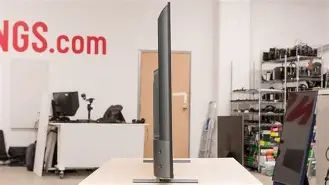
The M7 Series adopts a conservative, modern design with slim bezels and a low-profile stand that suits most living rooms. Materials are typical for the segment: a mix of matte plastics with a solid-feeling frame. The set is lightweight enough to be mounted on a wall with a standard VESA mount or set on a TV cabinet without dominating the room. The remote and menus emphasize simplicity over feature bloat, making day-to-day use straightforward for non-technical buyers.
Display and Picture Quality
The most prominent selling point for the M7 Series Quantum 2021 is its Quantum Dot layer, which expands the TV’s color gamut and helps deliver more saturated greens and reds at higher brightness levels. The panel is 4K (3840 x 2160), and most sizes in the lineup target a balance between color volume and peak brightness — useful when watching HDR content in bright living rooms.
Key picture characteristics and what buyers can expect:
- Wide color gamut: The Quantum Dot layer produces noticeably richer colors than standard LED panels, especially in HDR content that targets wide-gamut color spaces.
- HDR performance: The M7 generally supports common HDR formats and can deliver pleasing HDR highlights. Support for Dolby Vision varies by model/region; HDR10 and HLG are typically supported.
- Contrast and black level: As an LED/LCD TV, blacks will not be as deep as OLED, and contrast depends heavily on backlight design. Expect improved contrast over entry-level sets, but not flagship-level local dimming performance unless one selects the higher-tier sizes with better local dimming arrays.
- Refresh rate: The native refresh rate for most sizes is 60Hz. Motion handling is generally competent for TV and movie content; sports benefit from motion interpolation settings, though these can introduce the "soap opera" effect if left on.
Smart Features and Platform
The M7 Series Quantum 2021 ships with a mainstream smart TV platform that covers the major streaming apps, voice assistants, and basic casting or mirroring capabilities. The platform prioritizes ease of use and speed over niche advanced features. Users will find the most popular streaming services preinstalled, a simple app store for additional titles, and basic voice-based search.
For many buyers, the combination of a stable smart platform and the TV’s picture performance is sufficient. Power users who rely on a specific ecosystem or need advanced app support for niche services may prefer using an external streamer, which the M7 accommodates well through its HDMI and USB inputs.
Performance: Movies, Sports, and Gaming
Real-world performance varies by content type and room conditions. The following summarizes the M7's behavior across common use cases:
Movies and TV Shows
For movie night in a moderately dark living room, the M7 delivers engaging colors and clear 4K detail. HDR highlights pop more than on conventional LED sets, which makes scenes with bright elements — sunsets, neon signage, explosions — feel more impactful. However, viewers who prioritize absolute black fidelity and infinite contrast for cinematic viewing will notice differences compared with OLED alternatives.
Sports
Sports fans benefit from the M7’s vibrant colors and motion handling. Fast-moving action remains legible, and the TV’s brightness helps preserve visibility in well-lit rooms. Enabling motion smoothing or specialized sports modes can reduce blur at the cost of natural film/video cadence, so users should experiment to find a preferred setting.
Shop the latest TVs & Home Theater picks on Amazon.
View Offers →Gaming
Many gamers will find the M7 a capable companion for current consoles and PCs. The set typically offers low input lag in its Game mode and supports features that reduce delay between controller input and on-screen action. Competitive gamers seeking the absolute lowest input lag and 120Hz variable refresh rate functionality should verify those specifications for the exact size and SKU they’re considering, as higher refresh or advanced HDMI features are more commonly found on premium models.
Audio
Built-in speakers on the M7 Series are serviceable for casual viewing and news, with clear dialogue and adequate volume for medium-sized rooms. Bass response is limited, and complex soundtracks can sound thin in comparison to dedicated sound systems. Buyers interested in fuller, more immersive audio for movies or gaming will typically pair the TV with a soundbar or AV receiver; the TV provides the necessary audio outputs and often an eARC/ARC-capable HDMI port for easy integration.
Inputs, Connectivity, and Extras
The M7 lineup includes the usual complement of HDMI and USB ports, Ethernet and Wi‑Fi connectivity, and optical audio out on most models. Practical features that buyers often care about are present:
- Multiple HDMI inputs: Enough to connect a console, streamer, and Blu-ray player simultaneously in most cases.
- USB ports: For media playback and firmware updates.
- Network connectivity: Built-in Wi‑Fi and Ethernet for streaming and firmware updates.
- Voice assistant compatibility: Support for popular voice assistants for channel/app launching and basic control on many models.
Energy Use and Size Options
The M7 Series is offered in a range of sizes to suit apartments, living rooms, and dedicated home theaters. Energy usage is in line with other LED LCD sets of similar size; quantum dot layers don’t materially alter power consumption. Buyers mindful of energy should check the model’s rated power draw and consider enabling energy-saving modes when appropriate.
Real-World Use Cases: Who Should Buy the M7 Series Quantum 2021?
The M7 Series fits several common buyer profiles:
- Value-seeking movie watchers: Those who want noticeably better color and HDR highlights than budget LED TVs without paying flagship-level prices.
- Families and living-room TVs: Bright panels and simple smart platforms make the M7 a practical family TV for daytime viewing, streaming, and sports.
- Casual and console gamers: Players wanting low input lag and vivid visuals for single-player and party gaming will be satisfied, provided they choose a model with the right gaming features.
- Secondary home theater setups: Buyers who already own a high-end primary display but want a strong second screen for bedrooms or guest rooms will find this an attractive option.
Pros & Cons
- Pros
- Improved color volume and saturation from Quantum Dot technology
- 4K resolution with competent HDR performance for the price segment
- Broad size range to match different rooms and budgets
- Simple, user-friendly smart platform with major streaming apps
- Good value for buyers wanting a step up from basic LED TVs
- Cons
- Black levels and contrast lag behind OLED and high-end local-dimming LED sets
- Advanced gaming features (e.g., native 120Hz, VRR) vary by model and may be limited
- Built-in audio is adequate but not immersive — a separate sound solution recommended
- Picture processing and firmware polish can vary between regions and firmware versions
How the M7 Series Quantum 2021 Compares
To put the M7 Series in context, the following comparison table contrasts it with a typical entry-level LED TV and a higher-end premium QLED/OLED competitor. This highlights where the M7 sits in the market.
| Category | M7 Series Quantum 2021 | Typical Entry-Level LED | Premium QLED / OLED |
|---|---|---|---|
| Panel | 4K + Quantum Dot (wider color gamut) | 4K (standard gamut) | 4K/QLED or OLED (superior gamut or self-emissive) |
| HDR | HDR10/HLG; Dolby Vision varies by model | HDR10 only or limited HDR performance | Full HDR support and superior tone mapping |
| Contrast / Blacks | Good for midrange; limited by LED backlight | Average; no advanced local dimming | Excellent (OLED) or very good with full-array local dimming (high-end QLED) |
| Refresh Rate / Gaming | Typically 60Hz, low input lag in Game mode | 60Hz, higher input lag | 120Hz native, VRR/ALLM, HDMI 2.1 on many models |
| Smart Platform | Stable, mainstream platform with major apps | Basic smart features or limited app availability | Highly polished platforms with advanced features |
| Price / Value | Strong value for midrange buyers | Lowest price, basic performance | Premium price for best-in-class features |
Buying Guide: How to Decide if the M7 Series Is Right
Choosing a TV requires aligning features with intended use. The following questions and tips help buyers decide whether the M7 Series Quantum 2021 fits their needs.
1. What room will the TV be in?
In bright living rooms, a brighter panel with Quantum Dot color benefits visibility and vibrancy — an advantage for the M7. For true dark-room cinema fans, an OLED may still be preferable for deep blacks and contrast.
2. How important is gaming performance?
If gaming is a priority, verify the exact M7 SKU’s gaming features: input lag figures, presence of a dedicated Game mode, and support for higher refresh rates or VRR. For casual and console gamers, the M7 often delivers perfectly acceptable performance; competitive esports players may prefer displays with verified sub-10ms latency and 120Hz support.
Discover deals on TVs & Home Theater — updated daily.
Browse Now →3. Is built-in audio sufficient?
Most buyers will find the M7’s built-in speakers adequate for everyday TV watching. For movie enthusiasts and immersive gaming, adding a soundbar or home theater system will provide a noticeable improvement.
4. Which size should you choose?
Pick a size that suits viewing distance: for typical living rooms, 55–65 inches often offer the best balance between immersion and price. Larger sizes are available but check whether the specific size adds extra features (such as better backlight arrays or higher refresh rates), as manufacturers sometimes differentiate performance by panel size.
5. Compare warranties and firmware support
Check the manufacturer’s warranty and policies on firmware updates. A TV’s long-term performance and app availability can improve with ongoing firmware support, which is especially relevant for smart platform usability.
6. Shop by picture, not just specs
When possible, view the TV in person or compare reputable review sample footage and calibration settings. Manufacturers can list similar specs across models, but calibration, panel variance, and processing make a real difference in how content looks.
Practical Tips Before Purchase
- Verify the exact model number and confirm HDR and gaming features for that SKU.
- Test picture presets and enable Game mode when using consoles to reduce input lag.
- Plan for an external audio solution if immersive sound is important.
- Check return policies and local service support in case panel uniformity or dead pixels appear.
Conclusion
The M7 Series Quantum 2021 is a strong midrange offering that delivers many of the visual benefits of Quantum Dot technology — notably richer, more saturated colors and improved HDR highlight performance — while keeping a sensible price point. It represents good value for buyers who want an upgrade over basic LED sets but are not ready to pay flagship prices for OLED or premium QLED models.
It performs well for everyday TV watching, streaming, sports, and casual gaming, and its smart platform is straightforward and dependable. However, prospective buyers who prioritize absolute black levels, the deepest cinematic contrast, or the most advanced gaming features should compare the M7 carefully against higher-end models and consider whether an external sound system is needed for their viewing preferences.
Ultimately, for living-room setups, families, and value-conscious media consumers, the M7 Series Quantum 2021 is worth considering as a balanced choice — delivering bright, colorful images and modern conveniences without the premium price tag associated with top-tier panels.